
Skin care
How to patch test a new natural-care product
Natural does not guarantee irritation-free. Use this simple check before applying a new oil or soap over a larger area.
Why a small test is useful
A product can be simple and still be unsuitable for a particular person. Skin sensitivity, allergies, fragrance components and other products already in a routine can all affect the result.
A patch test cannot guarantee that a reaction will never occur, but it can reveal obvious discomfort before you apply the product widely.
Choose a quiet test area
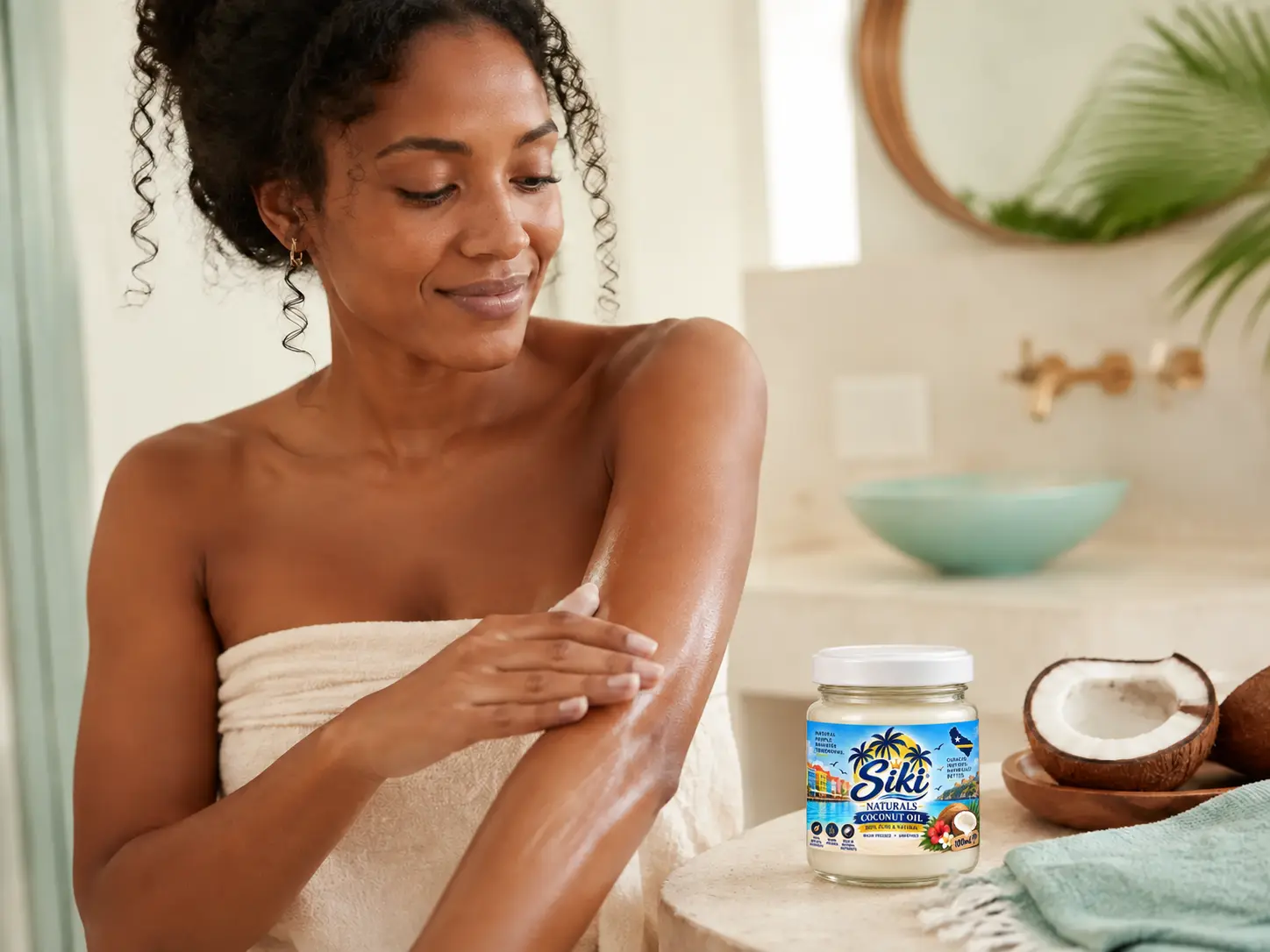
Use a small patch of clean, intact skin such as the inner forearm. Avoid cuts, freshly shaved skin, active rash or an area already treated with exfoliating acids or other strong products.
Apply only a small amount in the way the product is normally used. For a rinse-off soap, lather briefly and rinse; for an oil, leave a thin film rather than covering the skin heavily.
Observe, do not challenge the skin
Check the area over the next day. Do not keep reapplying to prove that a mild sensation is harmless. Burning, increasing redness, swelling, hives or persistent itching are reasons to wash the area and stop using the product.
If there is no reaction, begin regular use gradually. Using a little product on a limited area first is still sensible, especially on the face or scalp.
When not to experiment at home
Do not deliberately test a product that contains an ingredient you know you are allergic to. If you have a history of severe allergic reactions, eczema flares or unexplained skin symptoms, ask a doctor or pharmacist for individual guidance.
Urgent symptoms such as trouble breathing, facial swelling or feeling faint require immediate medical help. A cosmetic patch test is not a substitute for clinical allergy testing.