
Storage
How to store coconut oil and keep it fresh
Clean tools, a dry container and steady storage conditions do more for quality than complicated routines.
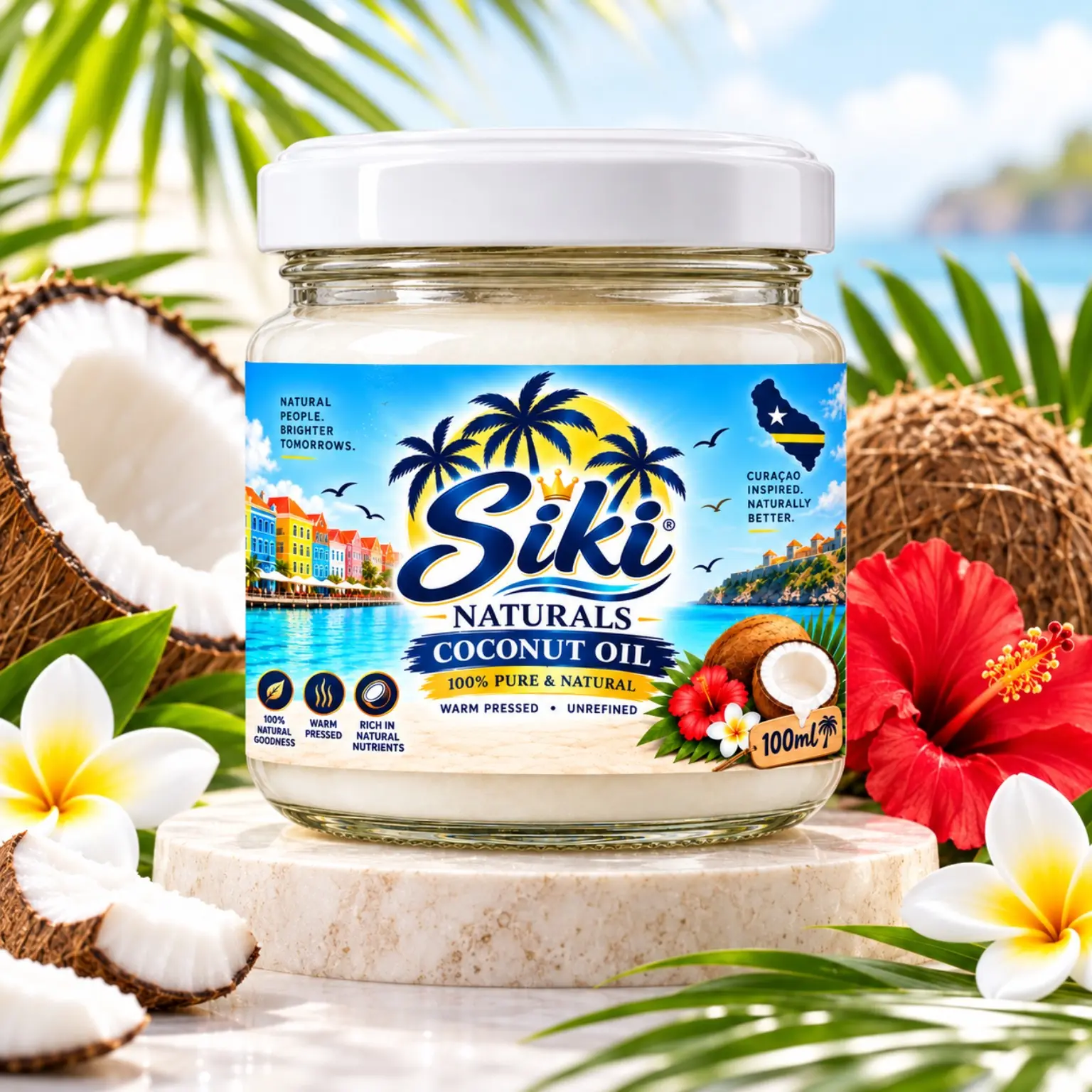
Choose a steady place
A closed cupboard away from direct sunlight, steam and the cooker is usually a good home. Coconut oil may become liquid or solid as the room changes temperature; that shift is normal and refrigeration is not usually necessary.
Avoid a hot windowsill, a damp bathroom ledge or a place where the container repeatedly gets splashed.
Keep water out
Use clean, completely dry fingers or a dry spoon. Water droplets and food crumbs introduce material that does not belong in the container and can shorten its useful life.
If you soften the closed jar in warm water, dry the lid and sides before opening. Never pour unused oil from your hand or another bowl back into the original container.
Close, label and separate
Close the lid after every use. Keep the original label readable so you retain the product identity and any use instructions. If a container is intended for cosmetic use, do not move it into an unlabelled kitchen jar.
For households using coconut oil for different purposes, separate tools or clearly marked containers prevent cross-contamination and confusion.
Use your senses carefully
Natural variation in colour and firmness can be normal. A distinctly stale, paint-like or sour smell, visible foreign material or water collecting inside is different and deserves attention.
When in doubt, stop using the oil and contact Siki Naturals. A photo of the oil, lid and label is more helpful than trying to describe the change from memory.