
Our process
What warm-pressed coconut oil means
A clear look at how gentle heat separates coconut oil from coconut milk, what unrefined means and what to expect from each batch.
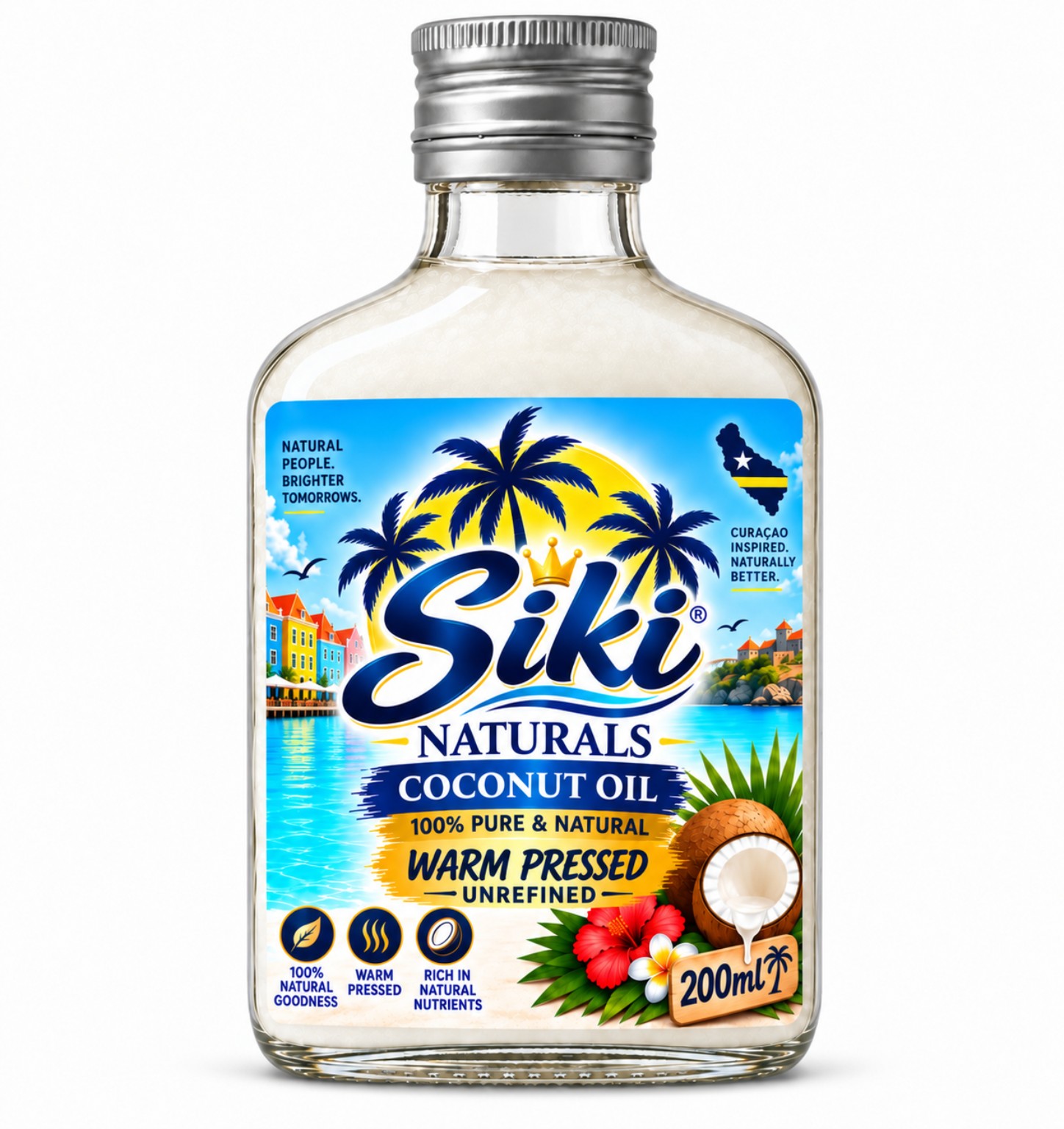
Start with coconut milk
Warm-pressed coconut oil begins with coconut flesh that is prepared into coconut milk. The milk naturally contains oil, water and fine coconut solids. The aim is to separate those parts without turning the oil into a highly refined, neutral product.
This is different from simply squeezing oil from a dry ingredient. The maker first works with an emulsion, then uses controlled warmth and time to help the oil separate so it can be collected and filtered.
Why gentle heat is used
Gentle heat helps water evaporate and encourages the oil to separate from the coconut milk. Care matters: too little heat can leave excess moisture, while rough overheating can create an unnecessarily strong cooked scent or darken the oil.
The phrase warm pressed describes the method honestly. It should not be confused with cold pressed, because heat is deliberately part of this process.
What unrefined tells you
Unrefined oil has not been deodorised and bleached to remove its natural character. A mild coconut aroma, a creamy-to-clear appearance and small batch-to-batch differences can therefore be normal.
Unrefined does not mean that cleanliness is optional. Clean tools, controlled moisture, filtration and suitable packaging remain important parts of careful production and home handling.
- Natural coconut character
- No claim of being cold pressed
- Texture may change with room temperature
What to check before use
Read the product label first. Use an oil for food only when that specific container is clearly labelled food-grade. For skin or hair, begin with a small amount and keep water and wet fingers out of the jar.
If the smell, colour or texture changes in a way that seems unusual rather than temperature-related, pause use and contact Siki Naturals with a photo and the product details.